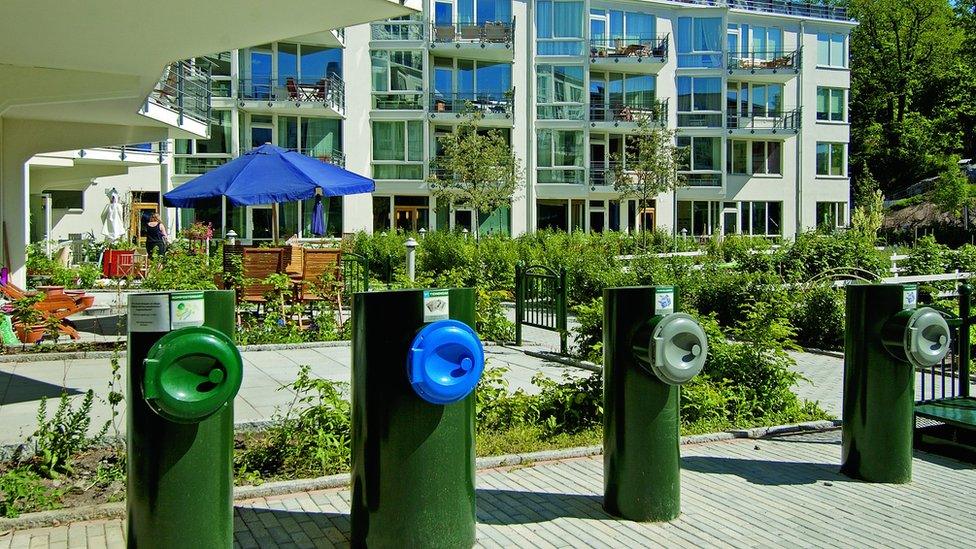

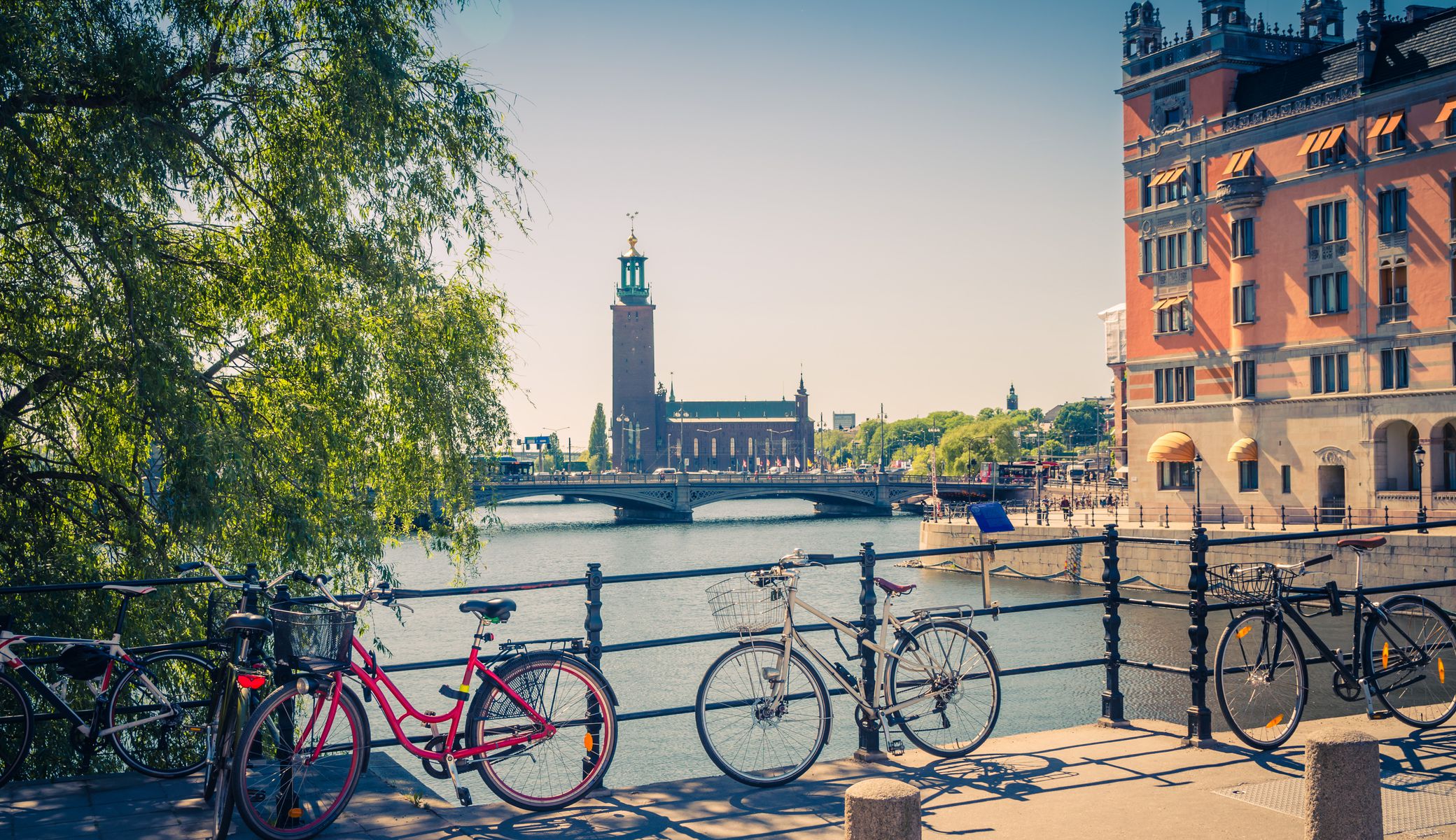

The new so-called lifestyle homes in Norra Djurgårdsstaden have made people raise their eyebrows. Should politicians advocate and promote paternalism in terms of people's living habits? In other words: how we separate our waste, which products should be purchased and how transportation takes place in the neighborhood, to name a few of the issues.
This passion for environmental awareness and good home habits, however, had predecessors from the 1930s, 40s and 50s in the attempt to reshape the housing habits of people who moved into the new and modern homes, at that time. Besides the goal of full employment, more modern and still affordable housing, especially for the less wealthy families with children, was a major welfare issue in those decades.
Improving housing and improving habits
Politicians, experts and managers from very different political standpoints could then agree on measures to improve housing conditions. But it was not enough to improve housing standards through new construction and renovation – household dwelling habits also had to be improved. People who would live in these new homes must be aware of how a "rational" resident was about to behave, what habits he or she needed to change and how the ideal planning of both the room-use as the external environment should be.
Improving housing and habits was therefore the main feature of the new policy. But the question was how to enlighten residents? One way was through the so-called housing surveys to find out how people actually lived their lives in their homes. How they used the rooms, how the kitchen equipment was used and what kind of furniture and equipment was used in the new homes? Based on such housing surveys some recommendations were subsequently given. A request given was that the housewives must have special "training" for her work in the household. Both men and women must also learn more about their homes, how different rooms were used and why they should avoid "gewgaw" and instead buy functional furniture and equipment.
Lecturing the citizens
Sometimes legislation was considered necessary and therefore used. In other cases, lectures and exhibitions to encourage people to "choose the right" was enough. The Swedish Society of Crafts and Design (now Swedish Design) lined up to arrange courses and workshops for new tenants and home owners, as well as the Social Democratic Women's Federation, whose paper Morgonbris also spread the new ideas. Typical social democratic welfare state policies and socialist social engineering thus? No, not at all in fact. The Social Democrats may have taken the lead but the facts do not claim them to be fully responsible. On these issues, there was more of a consensus across party lines and between social reformers of all kind, both right-wingers and left-wingers.
Back then, the buzzwords was rational living, hygiene and taste improvement – while today's "buzzwords" is about environmental awareness, sustainable housing and living accommodations. Then and now, it was part of the social engineering that would shape and reshape people's lifestyles and life choices. Nowadays, this policy is run by conservative politicians: Those that used to embrace free choice and individualism you know... But not any longer. Social engineering in the new context has environmentalism as its ideology and green is the color of the day.

Henrik Lindberg is researcher at the Ratio Insitute.
henrik.lindberg@ratio.se